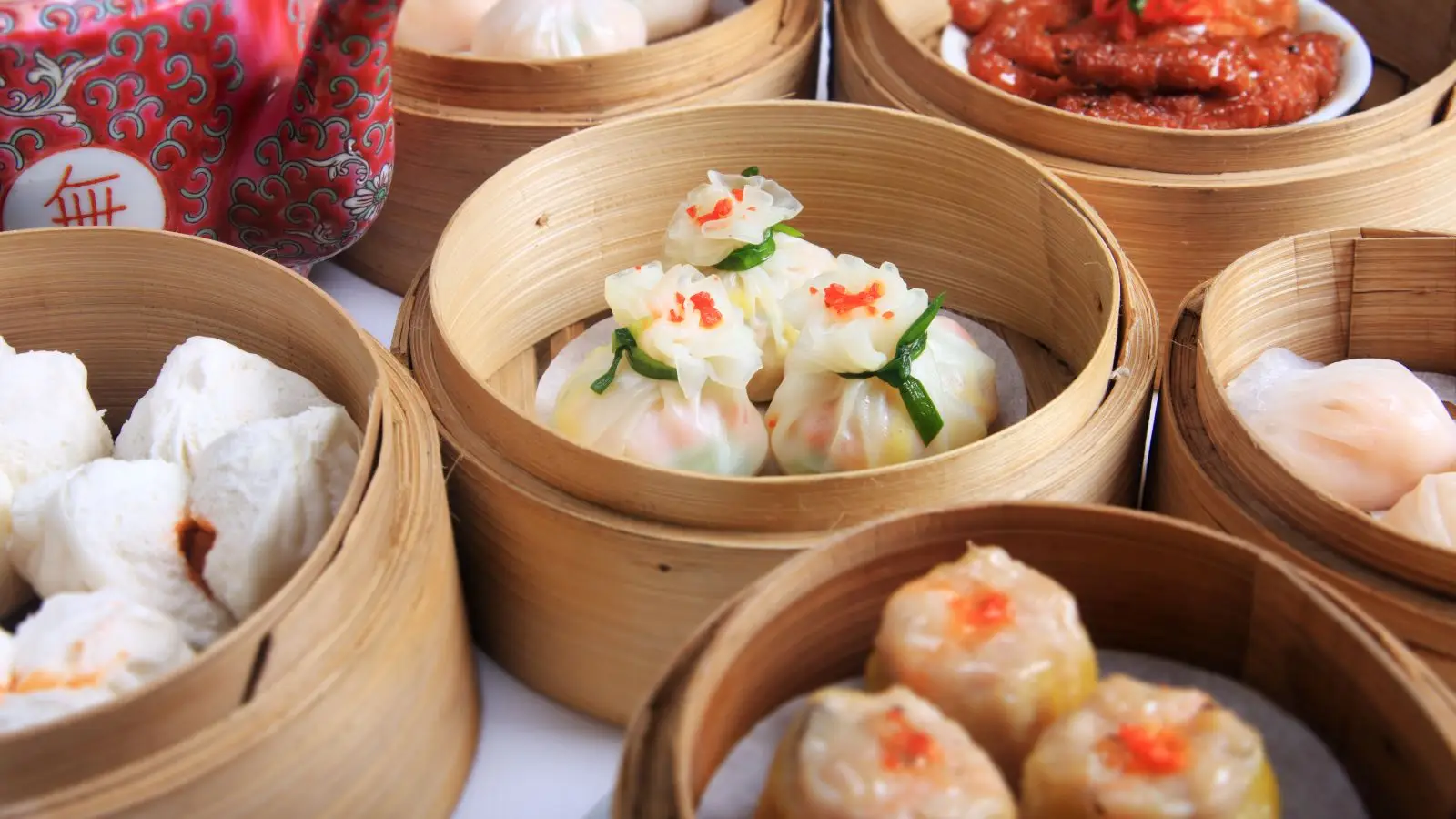
If you grew up in Hong Kong or have ever joined a Sunday dim sum brunch in Vancouver, you know there is nothing quite like it. The laughter, the chatter, the clinking of teacups, and the steam rising from bamboo baskets fill the air with warmth and nostalgia. Dim sum is not just a meal. It is a feeling, a ritual, and for many, a connection to home. The term dim sum (點心) literally translates to “touch the heart.” Its origins trace back hundreds of years to China’s Silk Road, where travelers and merchants would stop at teahouses to rest. These early dim sum dishes were small bites meant to accompany tea, offering nourishment and comfort without weighing you down. Over time, this simple custom of yum cha which means “drinking tea”, evolved into a beloved cultural tradition centered on food, family, and togetherness.
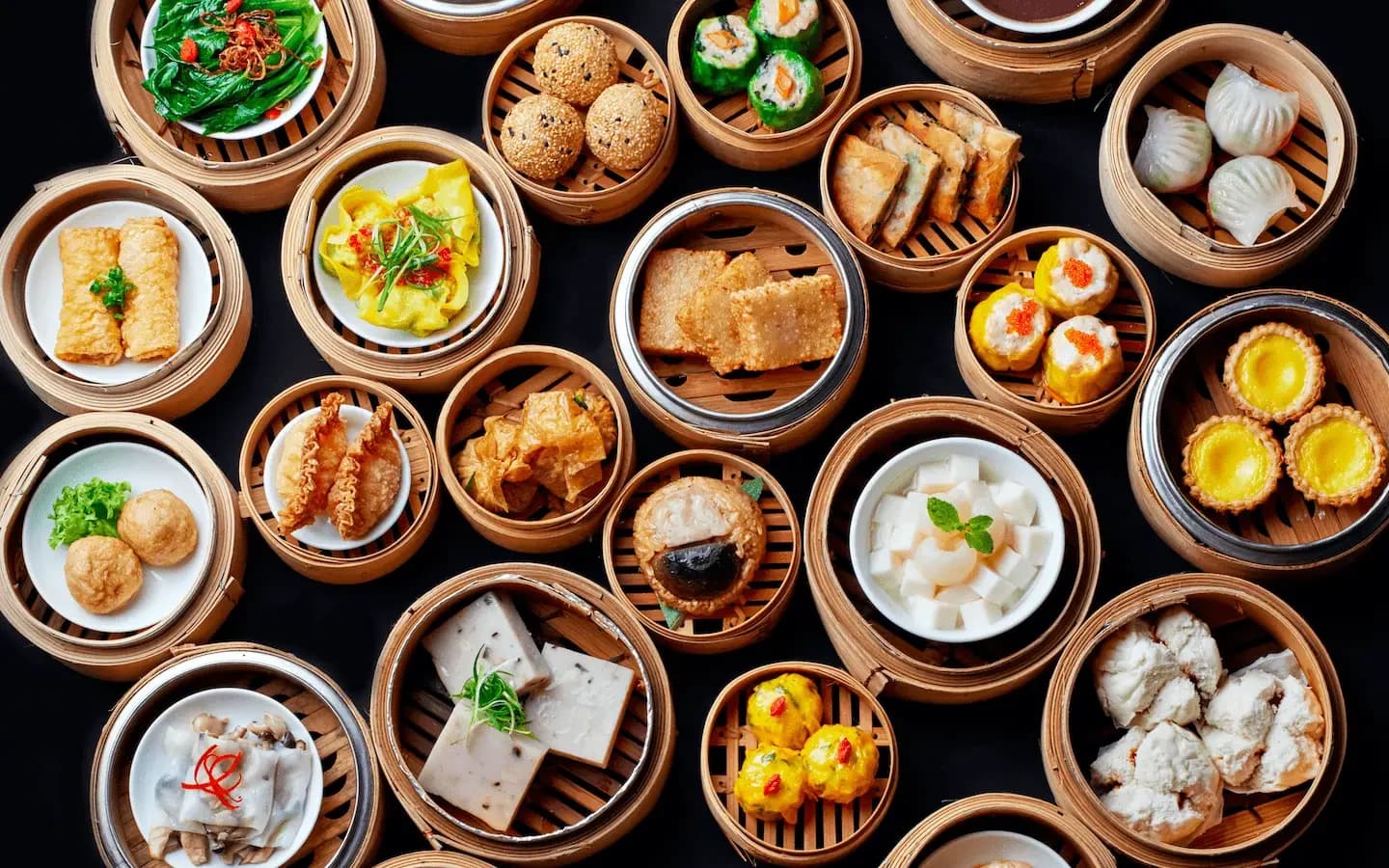
What makes dim sum so special is the way it brings people together. Families gather on weekends, often filling large round tables with friends, grandparents, and children. There is something deeply communal about passing dishes, sharing stories, and choosing your favorites from rolling carts filled with steaming dumplings, buns, and pastries. You might reach for a shrimp dumpling, a bite of siu mai, or a fluffy char siu bao, but the real magic is in the shared experience. It is food designed for connection, the kind that fills both your stomach and your soul.
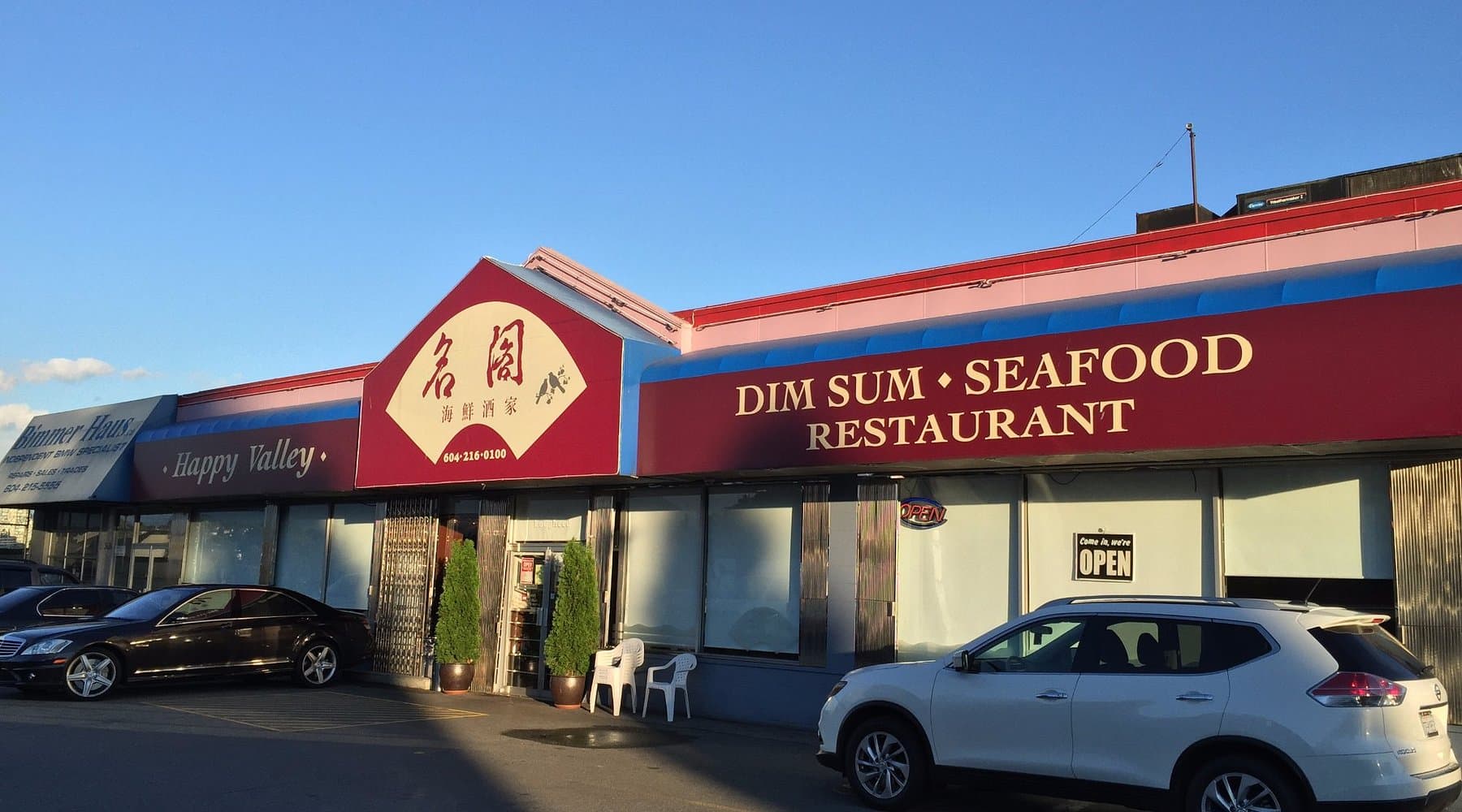
Here in Vancouver, dim sum has become an essential part of the city’s food culture. With one of the largest Cantonese communities outside of Asia, Vancouver offers some of the best and most authentic dim sum experiences in North America. You can find traditional teahouses in Richmond serving classic dishes that taste exactly like those in Hong Kong, as well as modern restaurants downtown that experiment with new flavors like truffle dumplings and lobster har gow. This balance between tradition and creativity is what makes Vancouver’s dim sum scene so unique. Beyond the food itself, dim sum is also a reminder to slow down and be present. In a world that moves quickly, dim sum encourages lingering conversations and shared laughter. Meals can last for hours, as dishes arrive in waves and pots of tea are constantly refilled. It is not about rushing through a menu but about savoring each bite and moment.
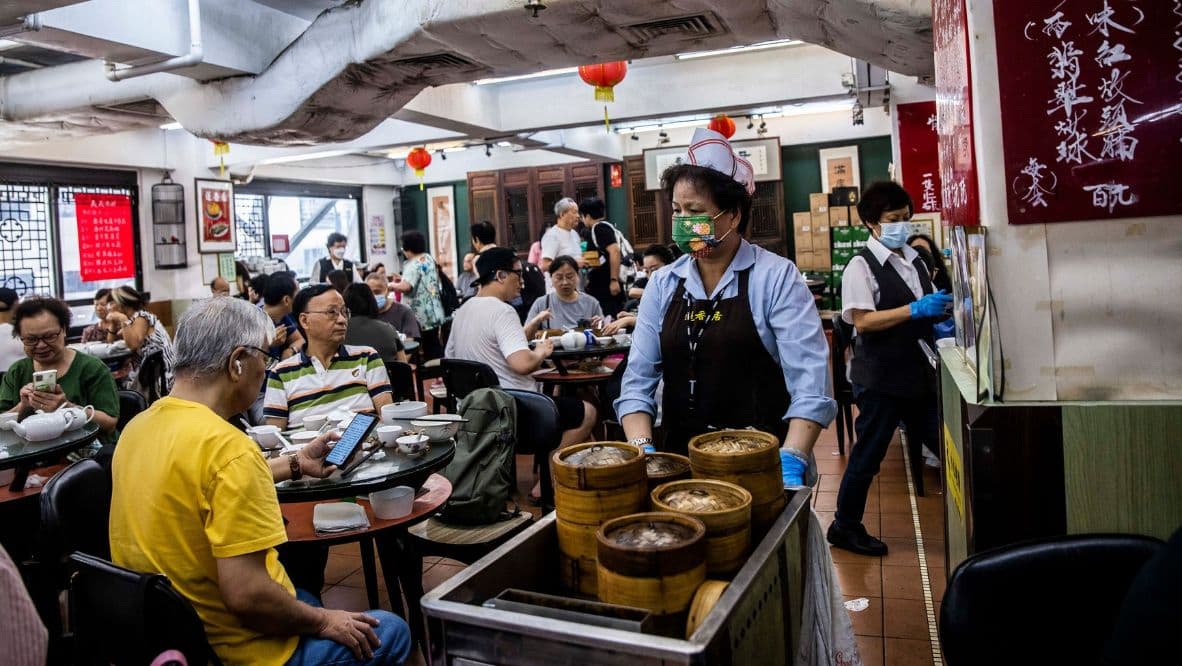
So the next time you are sitting at a round table waiting for the next bamboo basket to arrive, take a moment to appreciate the deeper meaning of dim sum. It was never just about eating. It is about slowing down, sharing joy, and truly touching the heart.